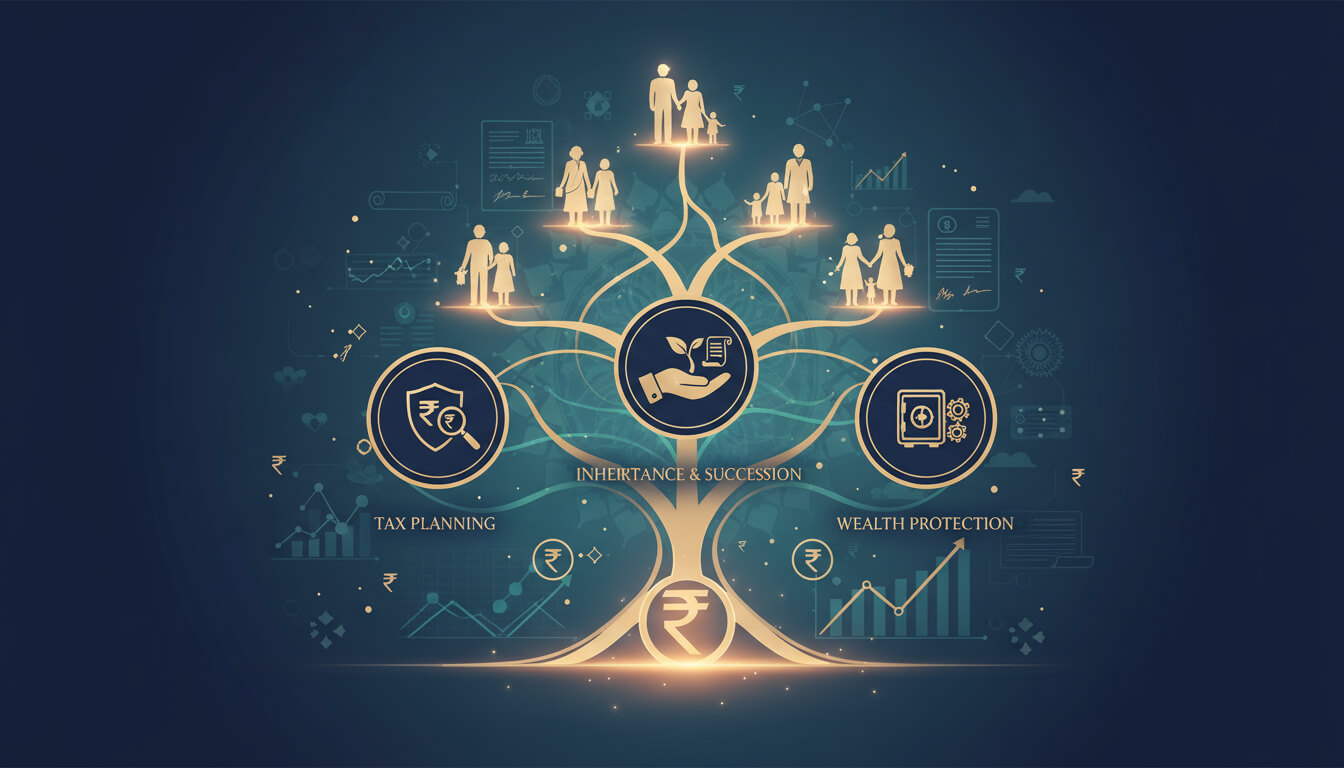
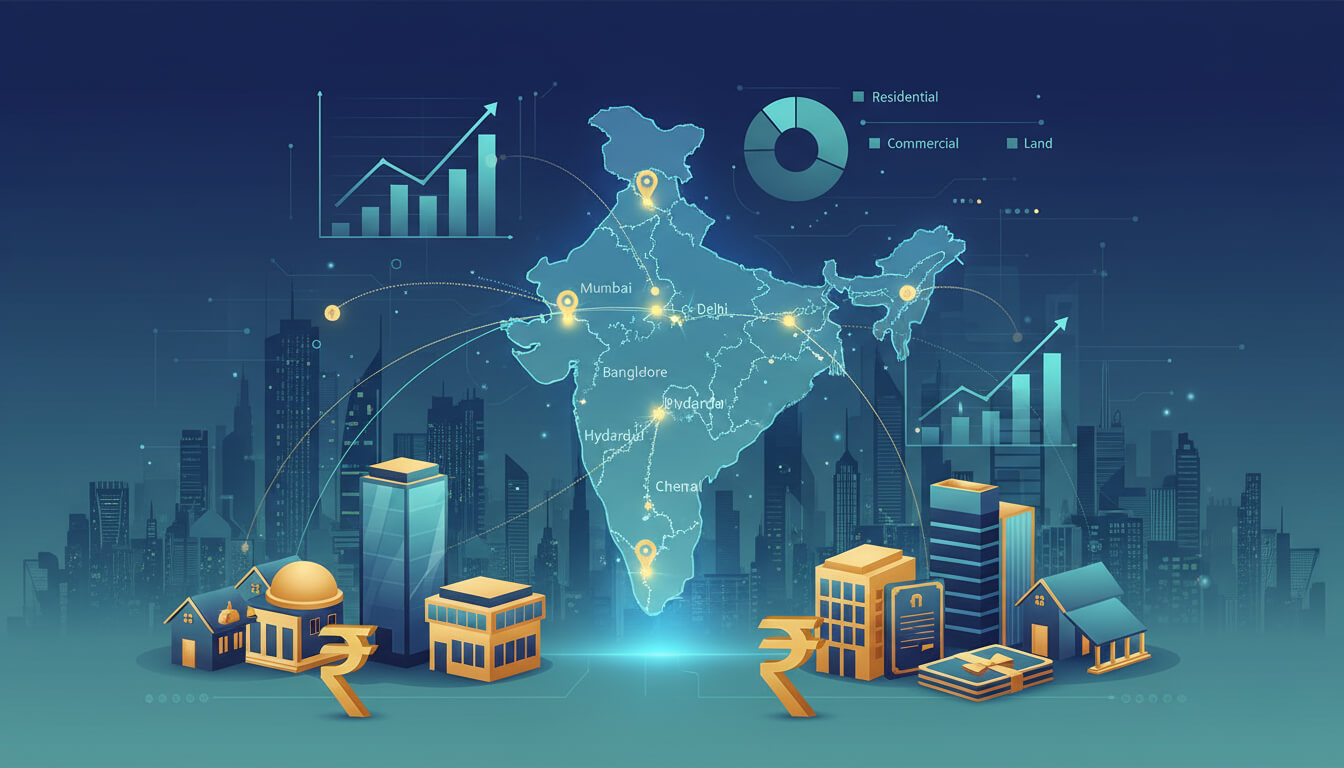
The global financial landscape is on the cusp of an unprecedented transformation, driven by what is widely termed the “Great Wealth Transfer.” This monumental shift involves trillions of dollars in assets moving from older generations, primarily Baby Boomers, to their descendants, including Gen X, Millennials, and Gen Z. Estimates suggest this transfer could reach a staggering $124 trillion by 2048, with other projections indicating $84.4 trillion by 2045. This is not merely a financial event; it represents a profound societal reshaping that will redefine investment preferences, alter financial advisory relationships, and necessitate a fresh approach to legacy planning.
For High Net Worth Individuals (HNIs) in India, this impending transfer presents a significant strategic opportunity. It’s a chance to engage with both the wealth creators and the inheritors within affluent Indian families, offering bespoke wealth management services that address the intricate complexities of multi-generational wealth. The sheer magnitude of this wealth transfer indicates a fundamental reshaping of client demographics and investment preferences, requiring wealth management firms to proactively acquire and retain new client segments—the inheritors—who may possess distinct values and expectations compared to the wealth creators.
While the “Great Wealth Transfer” is a global phenomenon, its implications for India’s HNI families are particularly significant and nuanced.
The Scale of Wealth Transfer in India
India’s economic growth has fueled a rapid expansion of its HNI population, leading to substantial wealth accumulation across generations. As this wealth matures, the process of intergenerational transfer accelerates. This transfer, whether through lifetime gifting or inheritance, is set to reshape the financial landscape of Indian families. The global projections of trillions of dollars changing hands underscore the critical need for Indian HNIs to prepare for this shift, ensuring their legacy is preserved and enhanced for future generations.
Evolving Generational Values
Younger Indian generations, including Gen X, Millennials, and Gen Z, are approaching wealth and investment with distinct perspectives compared to their predecessors. While traditional asset classes like real estate remain important , there’s a noticeable shift towards:
- Alternative Investments: A greater openness to new financial vehicles such as cryptocurrency, digital assets, private equity, and direct investments.
- Sustainable Investing (ESG): A significantly higher importance placed on Environmental, Social, and Governance (ESG) factors in investment decisions. For instance, 82% of those aged 21-43 consider a company’s ESG record, compared to only 35% of individuals aged 44 and above. This indicates a move from a niche interest to a mainstream investment consideration.
- Impact and Philanthropy: A growing desire to direct investments towards scalable avenues that create a societal impact, often aligning with philanthropic goals.
- Digital-First Approach: Increased confidence in self-directing investments and a preference for digital engagement and mobile experiences.
This evolution in financial attitudes and investment preferences means that traditional wealth management approaches may not fully resonate with younger inheritors. EquiZen recognizes this shift and is committed to adapting its services and content to meet these evolving needs.
Core Strategies for Seamless Wealth Transfer
Effective wealth transfer for Indian HNI families goes beyond mere financial transactions; it involves intricate planning, sensitive communication, and a deep understanding of family dynamics.
Proactive Estate Planning & Succession (Wills, Trusts, Family Constitutions)
Starting early and maintaining updated documentation is paramount. For Indian HNI families, this often extends beyond basic wills and trusts to include:
- Comprehensive Wills and Trusts: Legally sound documents tailored to Indian succession laws, ensuring assets are distributed according to your wishes.
- Family Constitutions: Especially crucial for family businesses, these documents outline governance structures, roles, responsibilities, and dispute resolution mechanisms, preventing future conflicts and ensuring business continuity.
- Succession Planning for Businesses: A detailed roadmap for transferring leadership and ownership of family enterprises, considering both financial and human capital aspects.
Tax-Efficient Transfer Mechanisms
Navigating India’s tax landscape is a critical component of wealth transfer. While specific advice requires personalized consultation, understanding the general principles is key to minimizing liabilities :
- Gift Tax Considerations: Understanding the implications of gifting assets during your lifetime, including annual gift exclusions and specific exemptions under Indian tax laws.
- Inheritance Nuances: While India does not currently have a formal inheritance tax, understanding capital gains on inherited assets and other related tax implications is crucial.
- Strategic Use of Trusts: Employing various trust structures to optimize tax efficiency and ensure assets are managed and distributed according to long-term family goals.
Engaging the Next Generation
A significant challenge in wealth transfer is client retention, with over 70% of heirs reportedly changing financial advisors after inheriting wealth. Proactive engagement and education are vital to counter this trend:
- Financial Literacy Programs: Educating younger generations about wealth management, investment principles, and the responsibilities that come with inherited wealth.
- Multi-Generational Family Meetings: Facilitating open and honest discussions about family values, philanthropic goals, and financial planning. These meetings build trust and ensure alignment across generations.
- Involving Heirs in Planning: Actively involving younger family members in financial discussions and decision-making processes, allowing them to understand the rationale behind wealth strategies and fostering a sense of ownership.
Navigating Family Dynamics & Governance
Wealth transfer can be emotionally complex and a source of potential conflict. The goal is to “pass on wealth, not problems”:
- Clear Communication Channels: Establishing transparent and consistent communication within the family regarding financial matters and legacy intentions.
- Role of Family Offices: For many Indian HNI families, a dedicated family office can provide a structured framework for managing complex assets, coordinating professional advisors, and facilitating intergenerational dialogue.
- Conflict Resolution Mechanisms: Proactively putting in place mechanisms or agreements to address potential disagreements among family members regarding inherited wealth or business succession.
Adapting Investment Portfolios for Future Generations
As generational values evolve, so too must investment strategies. Balancing traditional wealth preservation with new opportunities is key:
- Diversification Beyond Traditional Assets: Incorporating alternative investments that resonate with younger generations’ preferences while maintaining a diversified portfolio.
- Integrating ESG and Impact Investing: Developing investment strategies that align with the growing demand for sustainable and socially responsible investments among younger inheritors.
- Long-Term Vision: Crafting portfolios that not only preserve capital but also support the long-term aspirations and values of future generations, including their entrepreneurial ventures or philanthropic endeavors.
At EquiZen, we understand that wealth management for Indian HNIs is deeply intertwined with family values, cultural nuances, and long-term legacy aspirations. Our approach is holistic, personalized, and designed to bridge generational gaps. We offer a comprehensive suite of services tailored to the unique needs of Indian HNIs and their wealth management goals.
Conclusion
The “Great Wealth Transfer” represents a generational shift of monumental proportions, offering EquiZen a profound opportunity to solidify its standing as a premier wealth management firm for Indian HNIs. Our comprehensive understanding of global best practices, combined with deep insights into the unique cultural and financial considerations of the Indian market, positions us to effectively engage both current wealth holders and the incoming generation of inheritors.
By adopting a tailored approach that prioritizes proactive planning, tax efficiency, family dynamics, and multi-generational engagement, EquiZen can not only establish its authority and deliver highly actionable insights but also cultivate and sustain enduring multi-generational client relationships. This ensures your family’s legacy is not just preserved, but thrives for generations to come.
Ready to secure your family’s legacy?
Connect with EquiZen today for a personalized consultation. Let us help you navigate the complexities of intergenerational wealth transfer and build a lasting future for your family.
Frequently Asked Questions (FAQs)
Q1: What is “generational wealth” in the Indian context?
A1: In India, generational wealth encompasses not just financial assets like investments and real estate, but also ancestral properties, gold and jewellery, Art and Sculptures, family businesses, and often, intangible assets like reputation and social capital. It’s deeply tied to family lineage and cultural values.
Q2: How do Indian tax laws affect wealth transfer?
A2: While India does not have a direct inheritance tax, gifts above certain thresholds are taxable in the hands of the recipient. Capital gains on inherited assets when sold are also subject to tax. Strategic planning is essential to navigate these nuances and optimize tax efficiency.
Q3: How can family businesses ensure smooth succession in India?
A3: Smooth succession requires comprehensive planning, including a clear family constitution, defined roles and responsibilities for family members, professional management structures, and open communication.
Q4: Why is engaging the next generation important for Indian HNI families?
A4: Engaging the next generation ensures they understand the value of the wealth, are prepared to manage it responsibly, and are less likely to switch advisors. It also helps align their modern values, such as ESG investing, with the family’s overall financial strategy.